












You've booked the class. Now comes the surprisingly stressful question: what do you actually wear?
Good news: for your first adult ballet class, the answer is simpler than you think. You don't need a full uniform, and you don't need to look like a professional. You need to be comfortable, be able to move freely, and let your teacher see the lines of your body. That's it.
Here's a straightforward guide to getting ready, from the essentials to the things you can skip.
First, check the studio's dress code
Before you buy anything, send the studio a quick message or look at their website. Some adult classes ask for a specific leotard color or style. Others are completely relaxed and welcome regular activewear.
If there's no dress code listed, you're free to choose. Everything below is a good starting point.
The classic outfit: leotard and tights
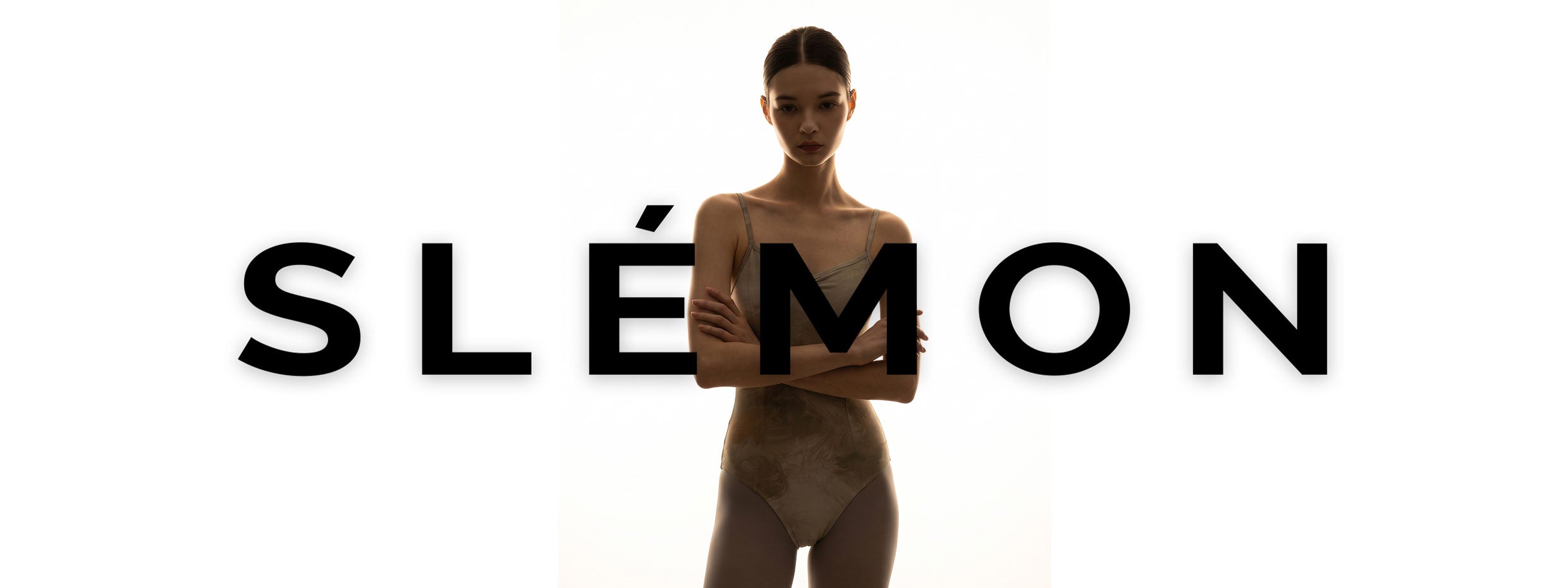
The traditional ballet outfit is a fitted leotard with ballet tights. There's a practical reason for it: fitted clothing lets your teacher see your posture and alignment, so they can give you corrections that actually help.
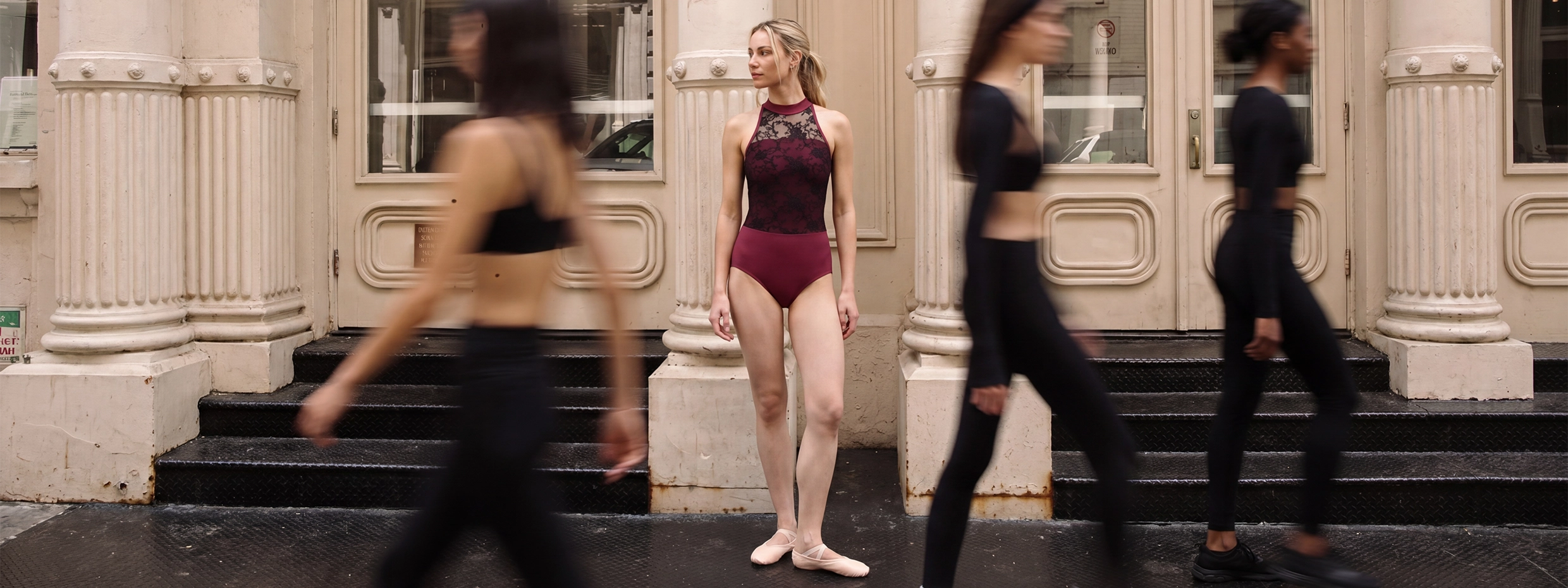
- Leotard: Choose one that feels comfortable when you bend, reach, and lift your arms. Fabric should stretch with you and feel soft against the skin. A dark color such as black is a safe, flattering choice, and sleeve length is a matter of taste: tank, short sleeve, or long sleeve all work. Long sleeves are nice if your studio runs cold. Browse leotards →
- Tights: Classic pink or tan ballet tights are traditional, but black tights or leggings are widely accepted in adult classes.
Tip: Not ready to wear a leotard yet? That's completely normal. A fitted tank top or t-shirt with leggings is fine for most beginner classes. You can move into a leotard whenever you feel like it.
The most important item: your shoes
If you spend money on only one thing, make it the shoes.
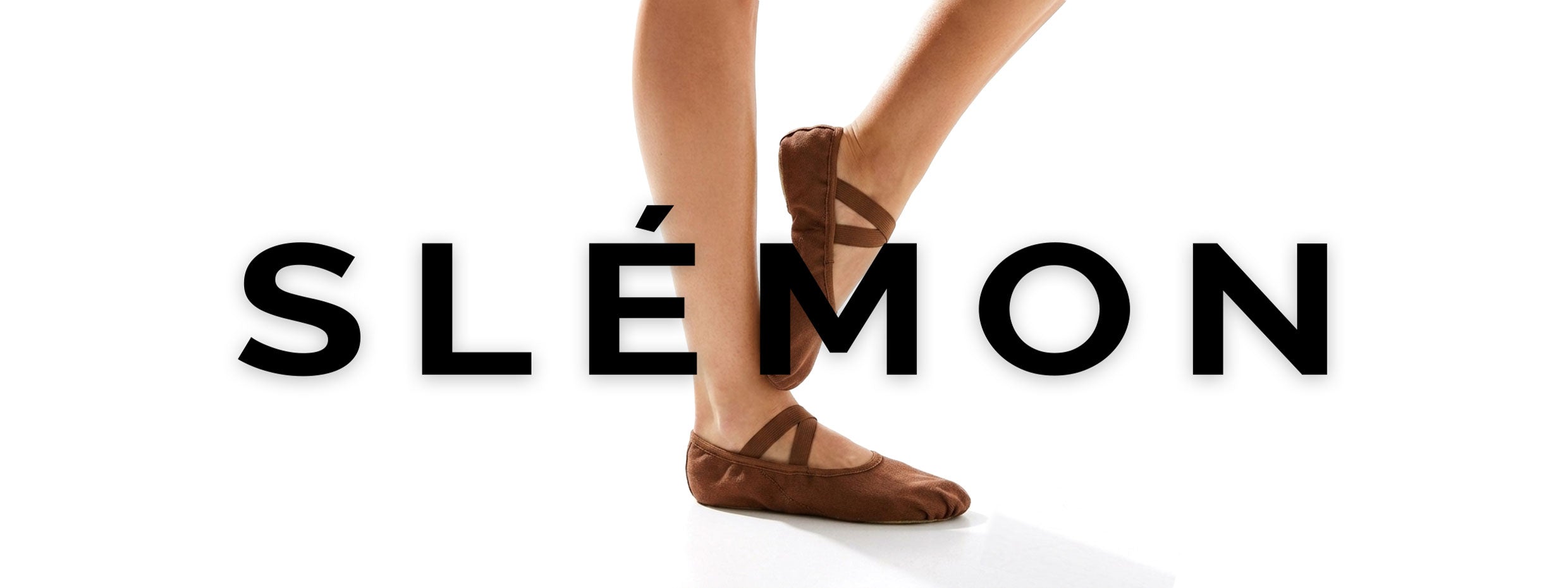
Most beginners start with full-sole ballet shoes (often called ballet slippers in the US), which have a single piece of material running the length of the sole and give a little more support while you build strength. Leather and canvas are the two common materials. Split-sole shoes are usually something dancers move to after a few years of practice, though your teacher may have a preference.
What matters most is fit. A good ballet shoe should fit like a sock: snug against the foot, without pinching the toes or slipping at the heel. Sizing can differ between brands, so measure your feet while standing and check the brand's size chart before ordering. Shop ballet shoes →
Not ready to buy shoes? For a very first trial class, many studios let you dance in clean socks or bare feet. Ask the studio when you book.
Keep warm between exercises
Muscles stay happier when they stay warm, and studios can be cooler than you expect. A few simple layers help:
- A fitted sweater or cropped cardigan you can slip off once you warm up
- Leg warmers or warm-up pants for the barre portion of class
- A wrap skirt, which many dancers like for a bit of coverage and style
Fitted layers are better than baggy ones. Very loose clothing can hide your posture from your teacher and may get in the way when you move. Shop warm-ups →
Hair and small details
- Hair: Keep it neatly secured away from your face and neck. A classic bun is the usual choice, but a low ponytail or braid works too. The goal is simply that it won't flop into your eyes when you turn.
- Jewelry: Skip dangling earrings, bracelets, and necklaces. Small studs are fine.
- Breathable fabrics: You'll be surprised how much you sweat. Choose fabrics that feel soft and breathable rather than stiff or scratchy.
What to bring in your bag
- Your ballet shoes
- A water bottle
- A small towel
- An extra layer for after class
- Hair ties and pins
What you don't need on day one
- Pointe shoes. These come much later, and only with a teacher's guidance.
- A tutu or skirt.
- Expensive everything. Start with the basics and add pieces as you fall in love with the class.
A quick first-class checklist
| Item | Must-have | Nice-to-have |
|---|---|---|
| Top | Fitted, comfortable | Leotard |
| Bottom | Tights or leggings | Ballet tights |
| Shoes | Ballet shoes (or ask about socks) | Properly sized full-sole shoes |
| Warmth | Sweater, leg warmers, wrap skirt | |
| Hair | Secured away from face | Bun |
Final thought
Everyone in the room was once a beginner, and the best outfit is the one that helps you walk into the studio feeling relaxed and ready. Pick something that fits well, feels good to move in, and makes you a little bit happy when you put it on. The rest is just practice.


